
O-Day - Intersection?
Could a replication of Matsumoto's 1997 experiment also provide explanations for a range of other observations?

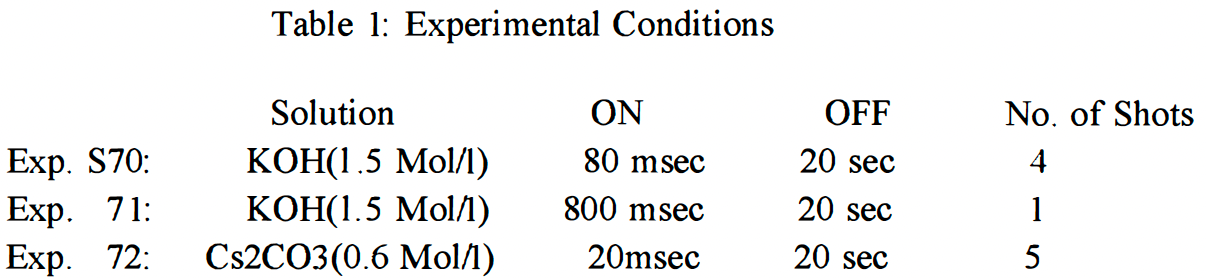
Experiments conducted in 1997 are described by
Dr. Takaaki Matsumoto as follows;
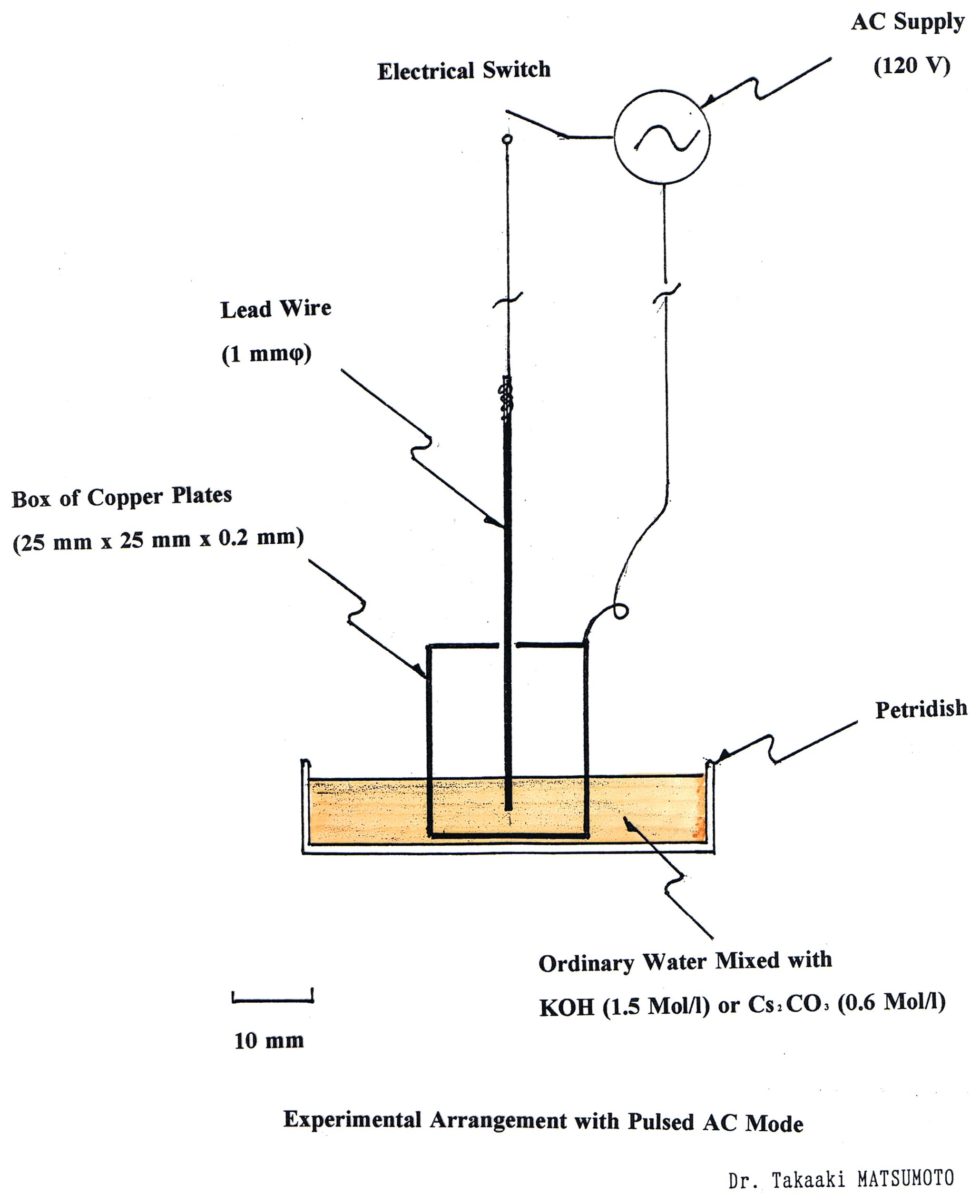
The experiments shown in Table 1 were carried out with a thin lead metal
wire electrode (diameter 1 mm), which were inserted in ordinary water solution.
Copper plates were used for a reference box electrode, as well as for monitoring plates. Discharges were made under a pulsed AC mode of 120 V.
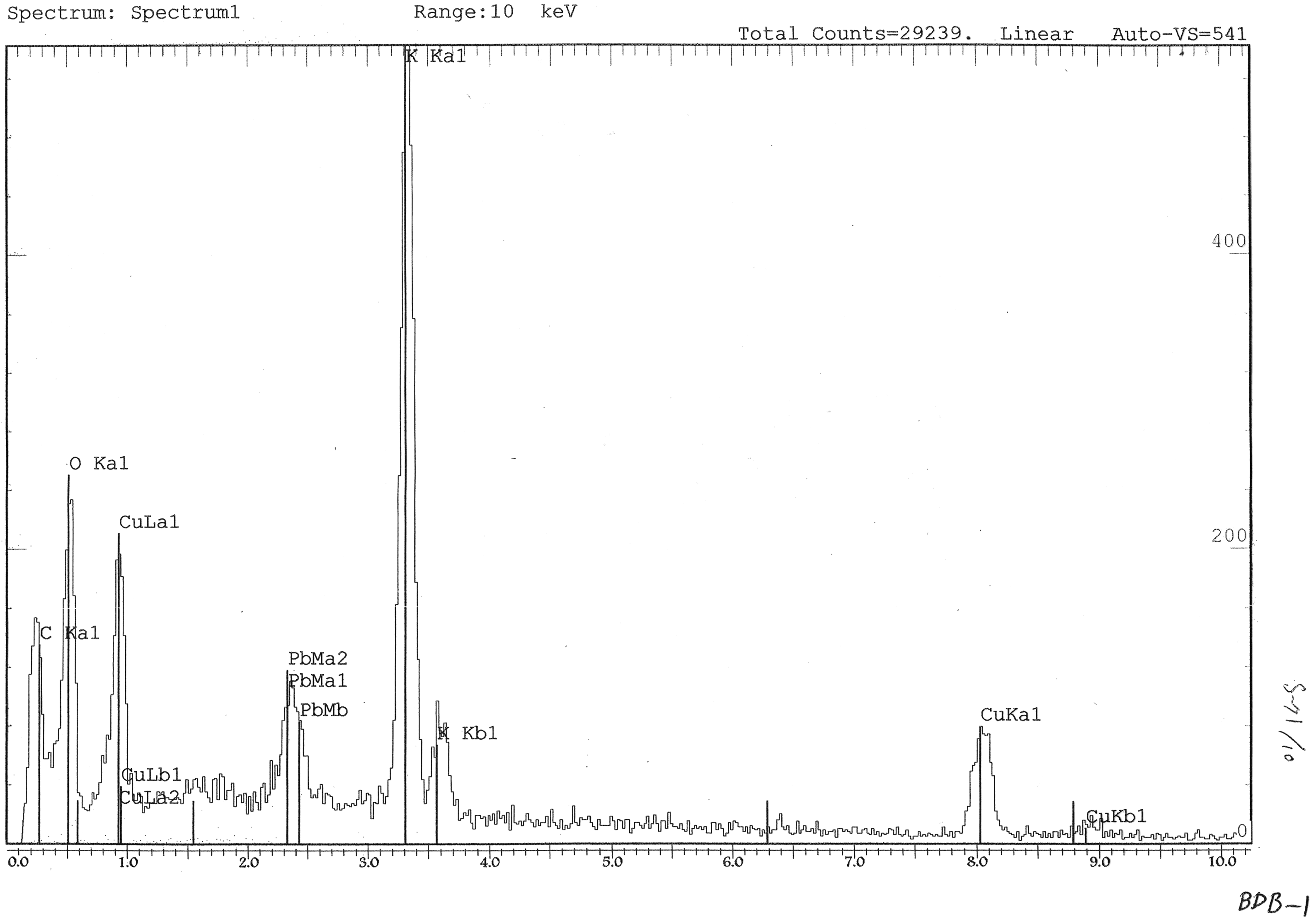
The products on the copper plates were examined by a scanning electron microscope (SEM) and those elements were analyzed with an energy dispersive X-ray spectroscopy (EDX).
Results (1997)




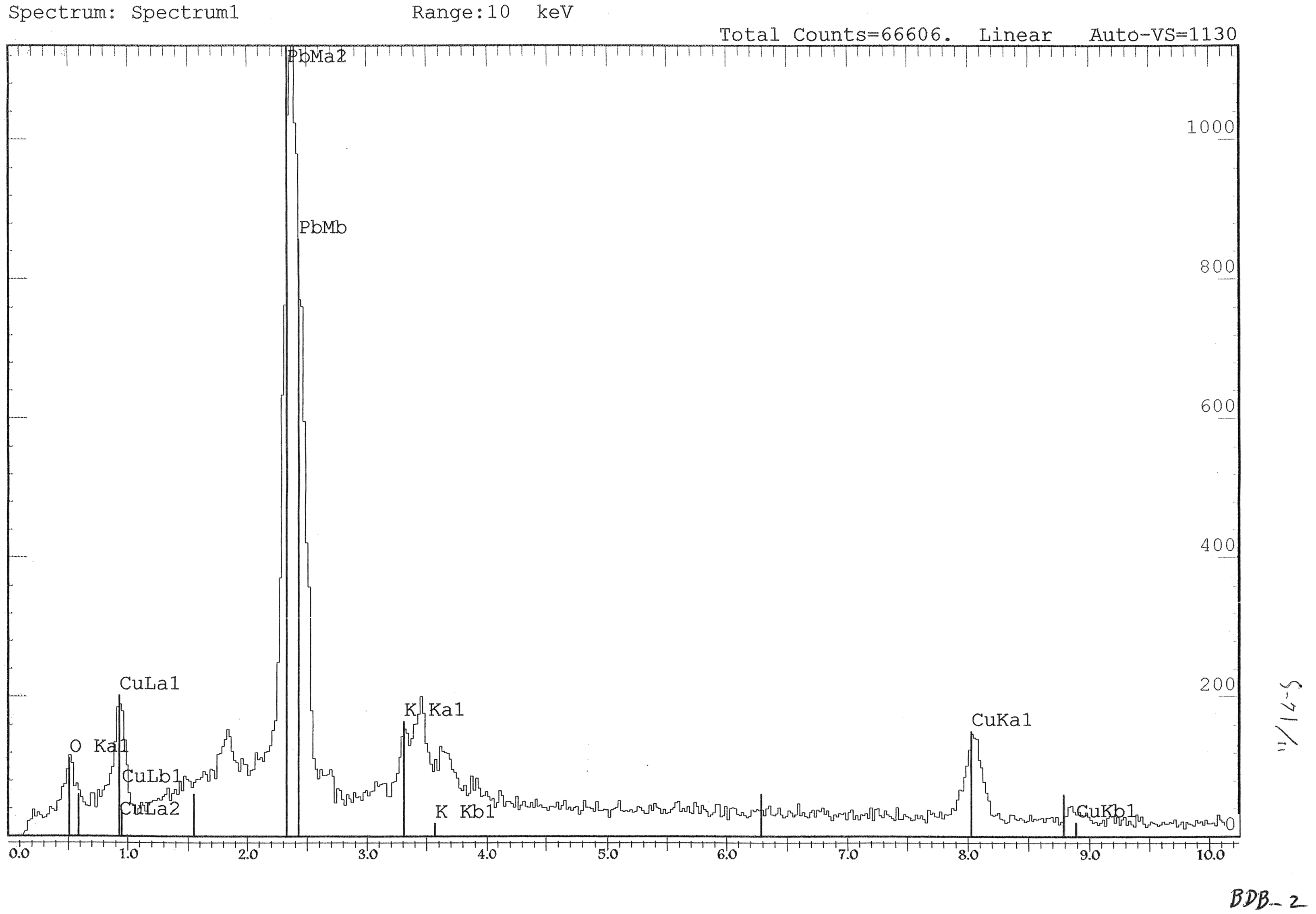


Replication attempt of experiment S71 (single pulse KOH)
A look at the attempted replication of Dr. Takaaki Matsumoto’s 1996 ‘S71’ experiment done at the recent Advanced Energy Systems Prague 2025 workshop - with special guests.
LIVESTREAMed Sun 28 Sep 2025 at 22:00
Sample analysis
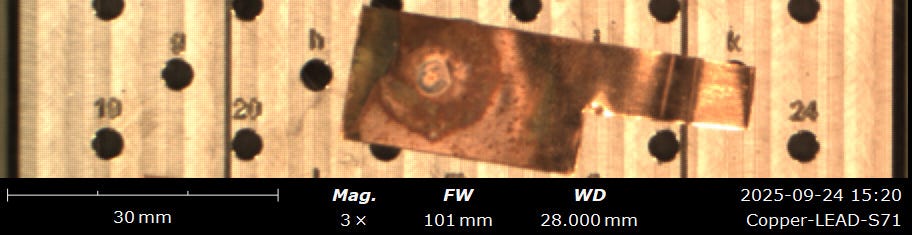


Tiled map image of centre of impact from Deep Zoom Image
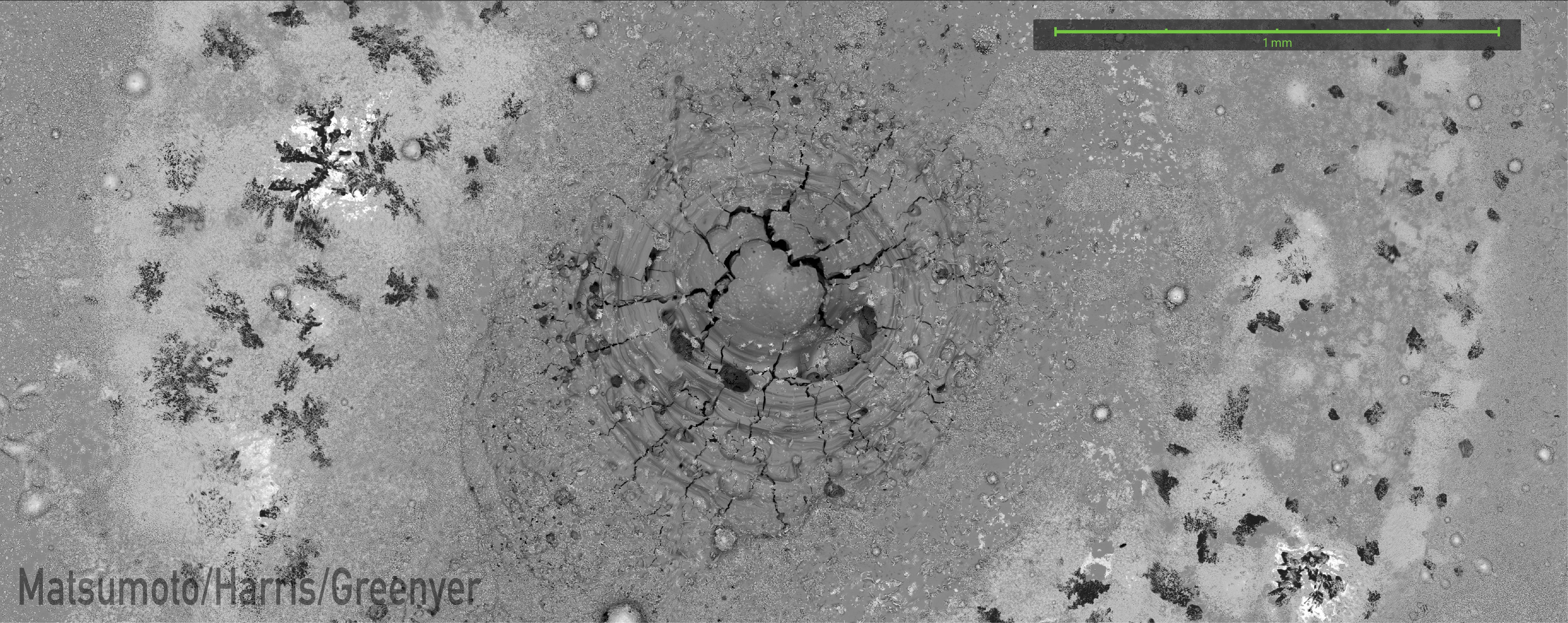
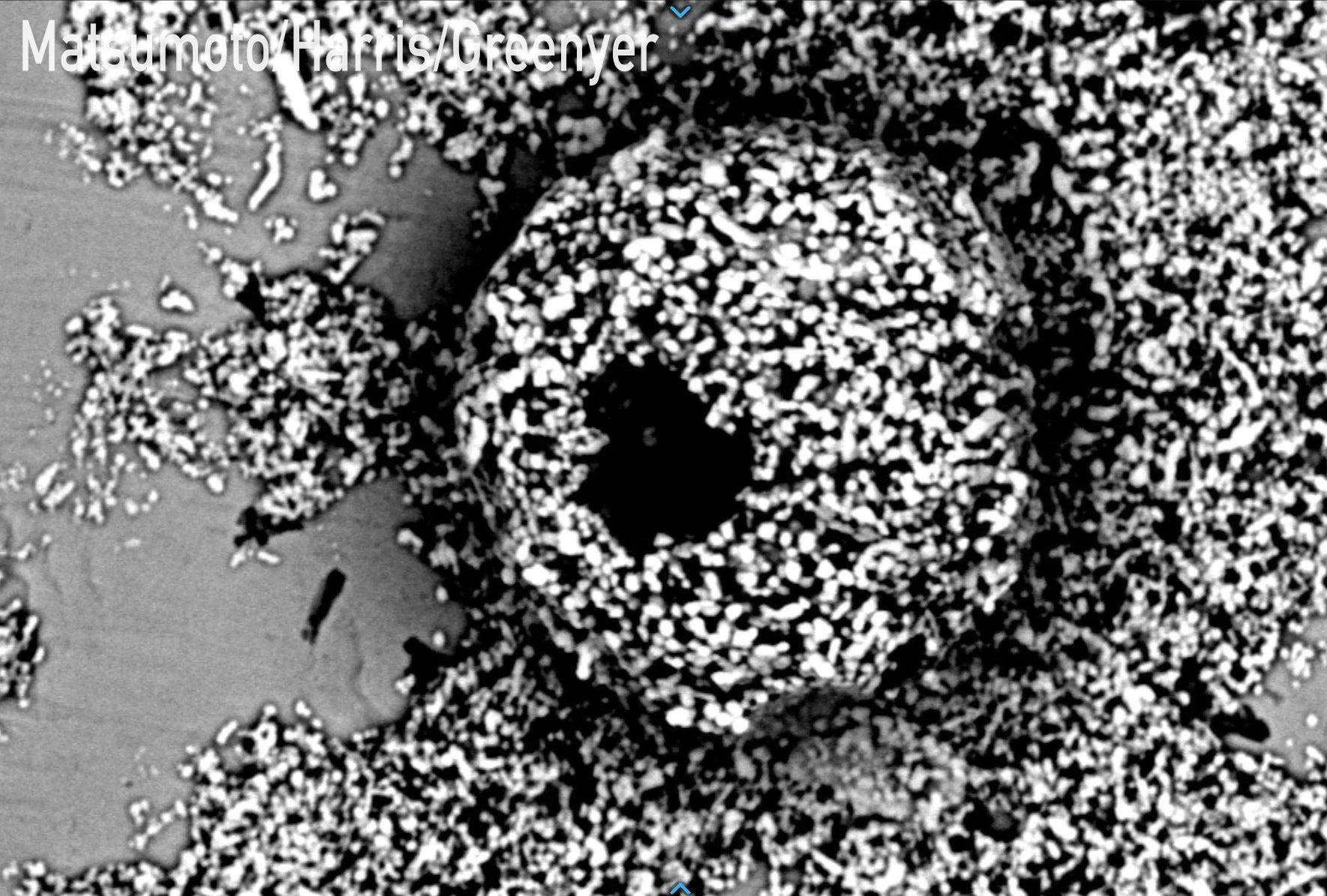


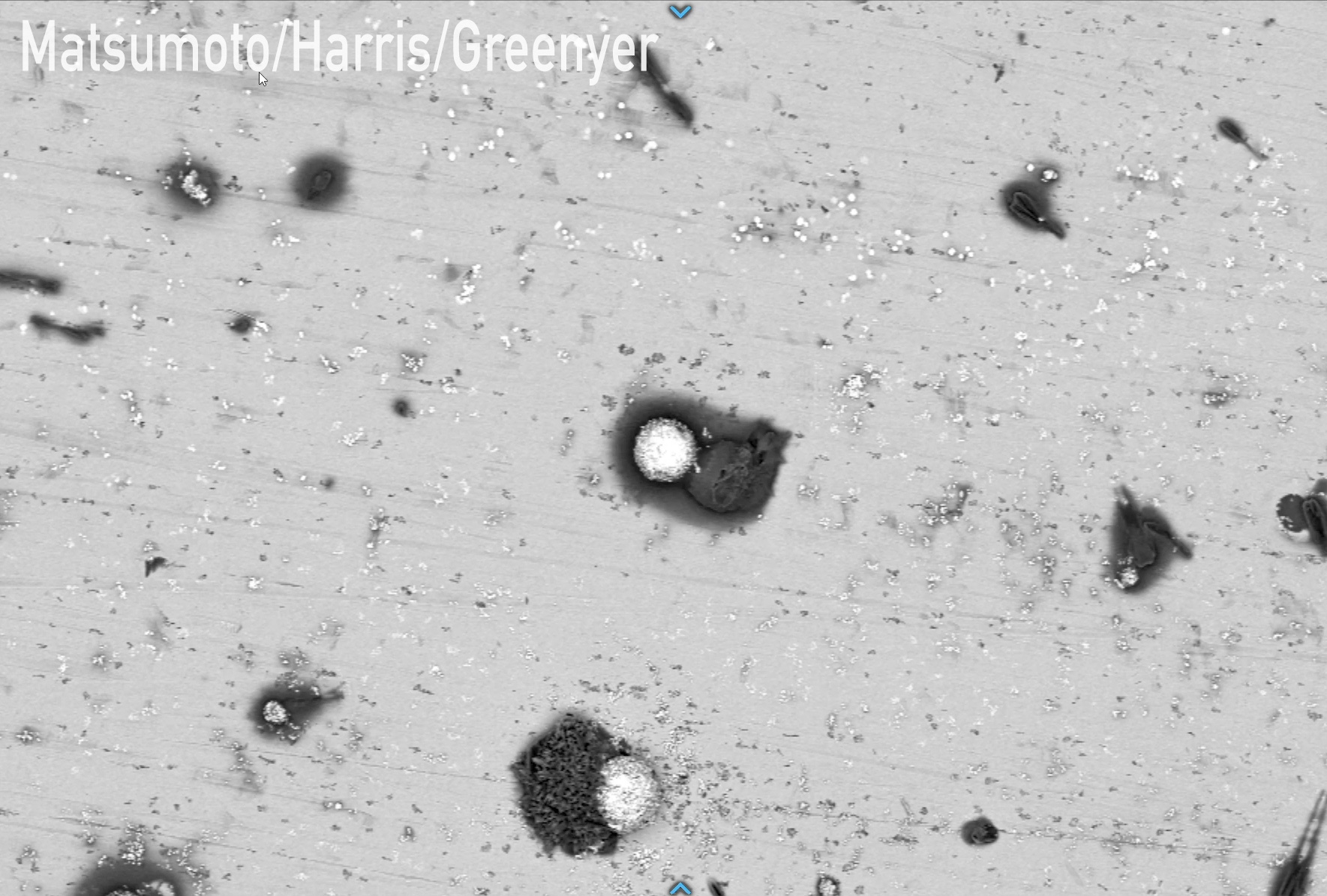
Elemental observations
The time on the microscope was unexpectedly short leading to inability to do detailed elemental analysis for now.
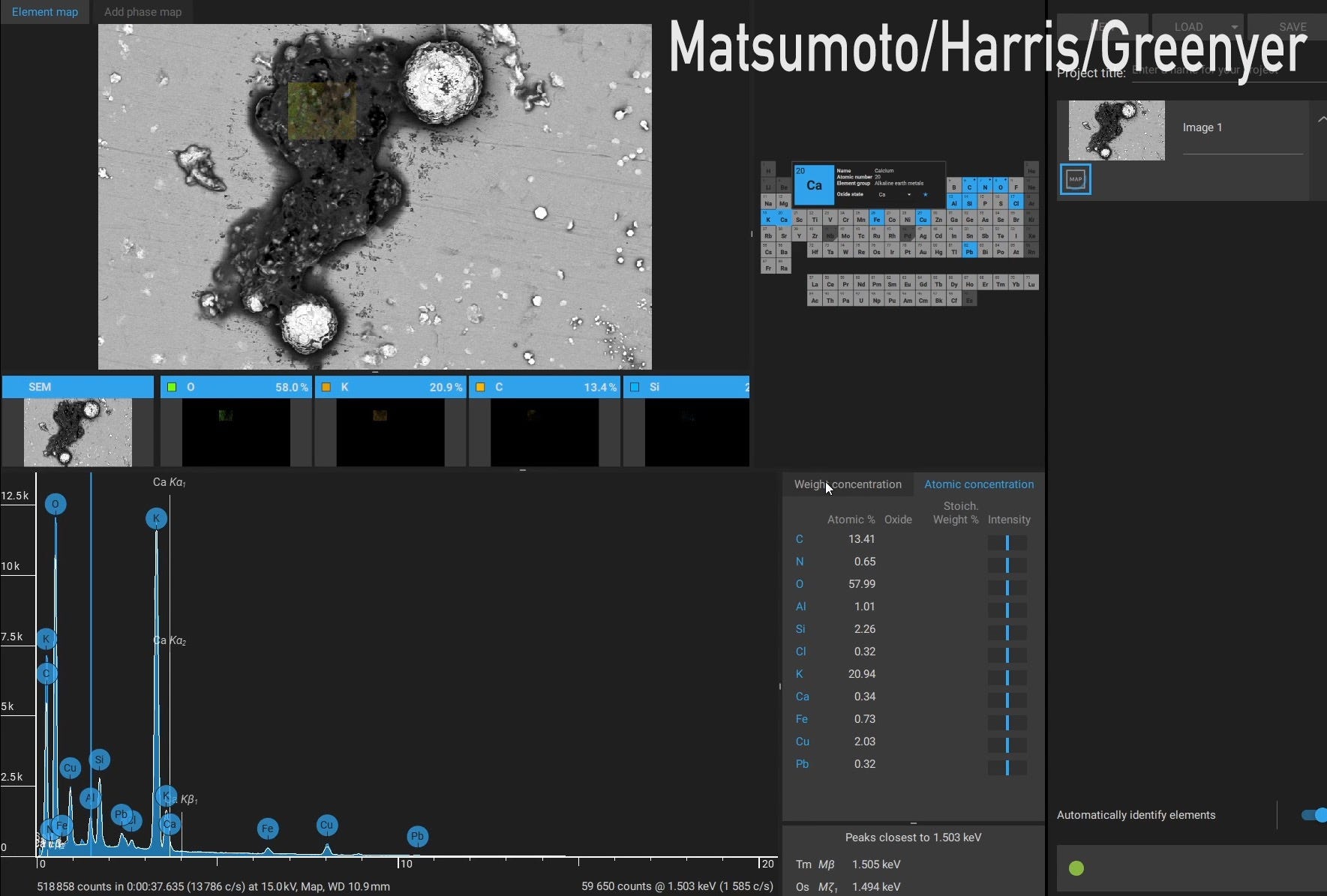
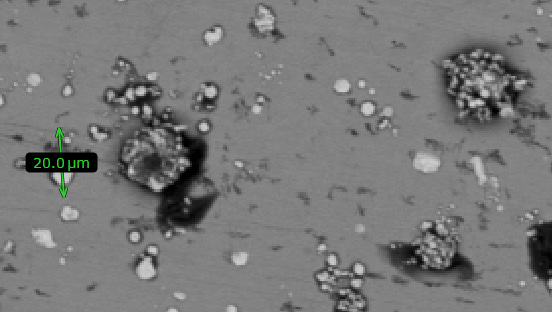
The 50um ball ejecta was area sampled revealing Al, Si, Ca and Fe metals and Cl.
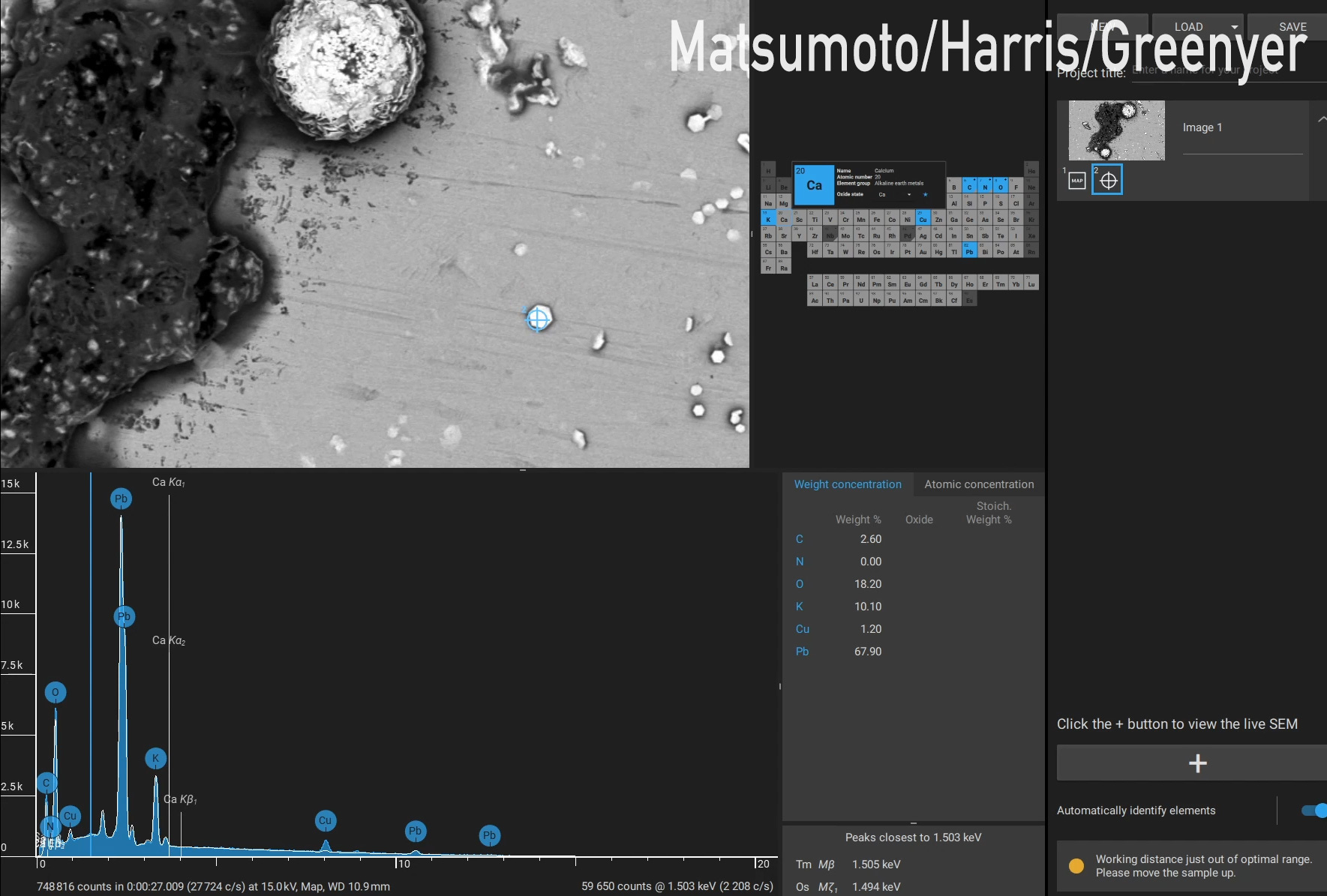
The plate shown in Fig. 13 appeared to be comprised of the starting elements with Copper likely seen from the plate below.
Deep Zoom Image (DZI)
LOOK FOR FEATURES in the area this analysis was done
DOWNLOAD 749MB here | Download PC Viewer here | OpenSeaDragon here
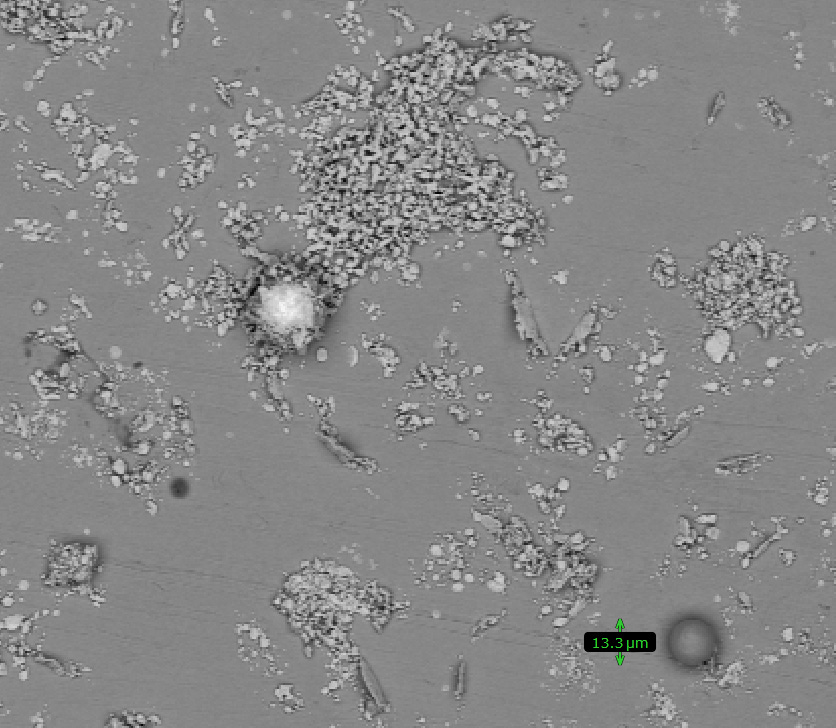
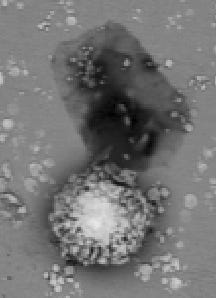
Interesting features in DZI inviting further analysis
Conclusion
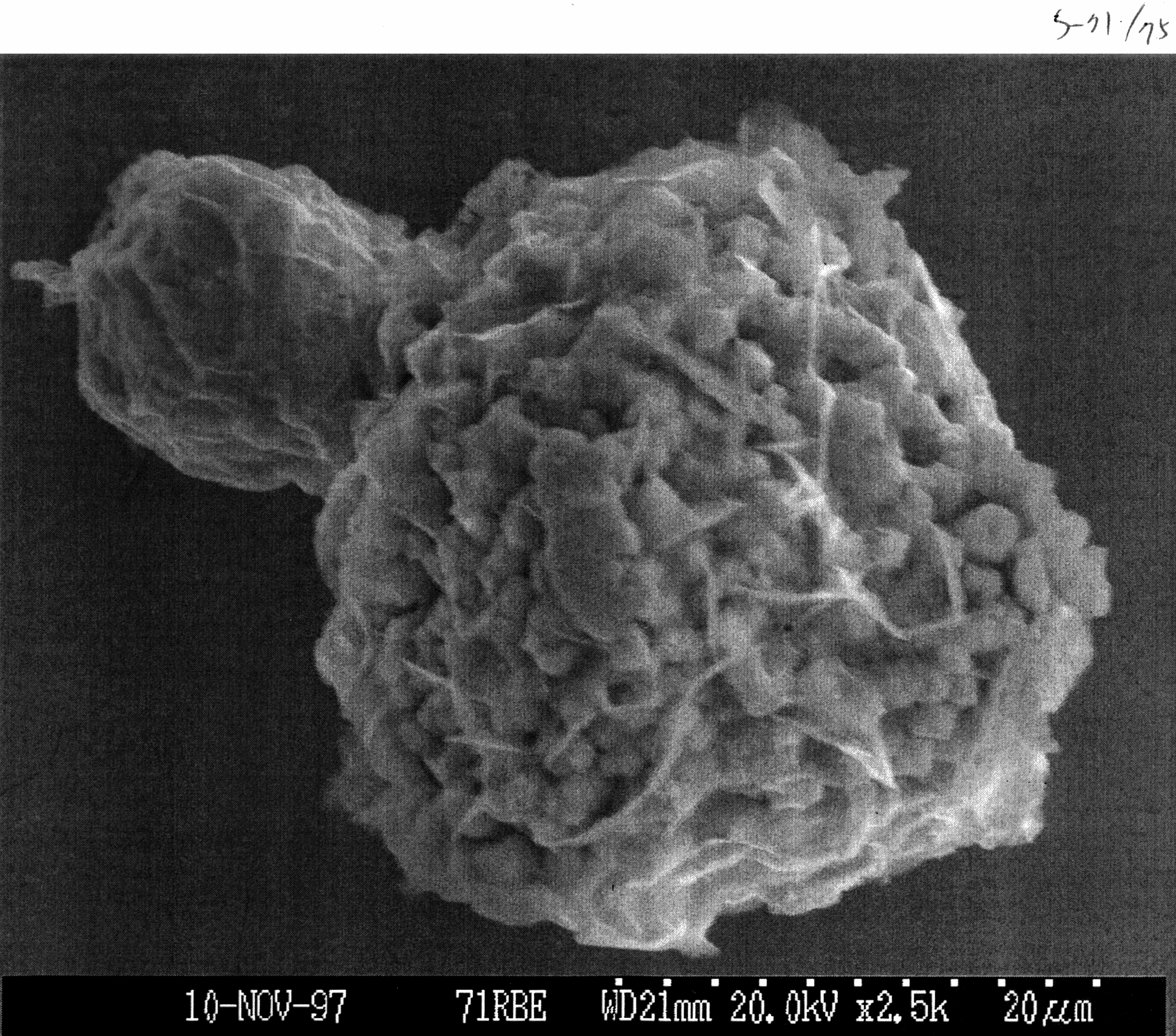
Although, with time and money, there will be far more analysis of the products of this replication attempt, we can already see many similar elemental products and structural forms as observed by Matsumoto in 1997.
With references to experiment S70 above, that also only used KOH 1.5 Mol/l solution, Matsumoto noted the following about the makeup of the generated carbon tubes.



Just as we saw in our quick analysis of generated materials flowing from a larger set of balls above, Matsumoto also saw Carbon, Aluminium, Silicon, Chlorine, Calcium and Iron. He additionally noted Magnesium, Phosphorus, Sulphur - collectively, these are the products of what he called “Electro-Nuclear Regeneration” and what we have observed emerging from structures in other systems, such as that of Bin-Juine Huang’s water cavitation based reactors.
I believe we made a successful replication and expect further analysis of the samples and resulting data will confirm this.
It was a deep honour to be able to run this replication attempt in front of Hiroko, Dr. Matsumoto’s daughter, who I sponsored to come and also one of his grandchildren who was not even born when the original experiment was performed! They got to see the whole thing, right through to analysis.
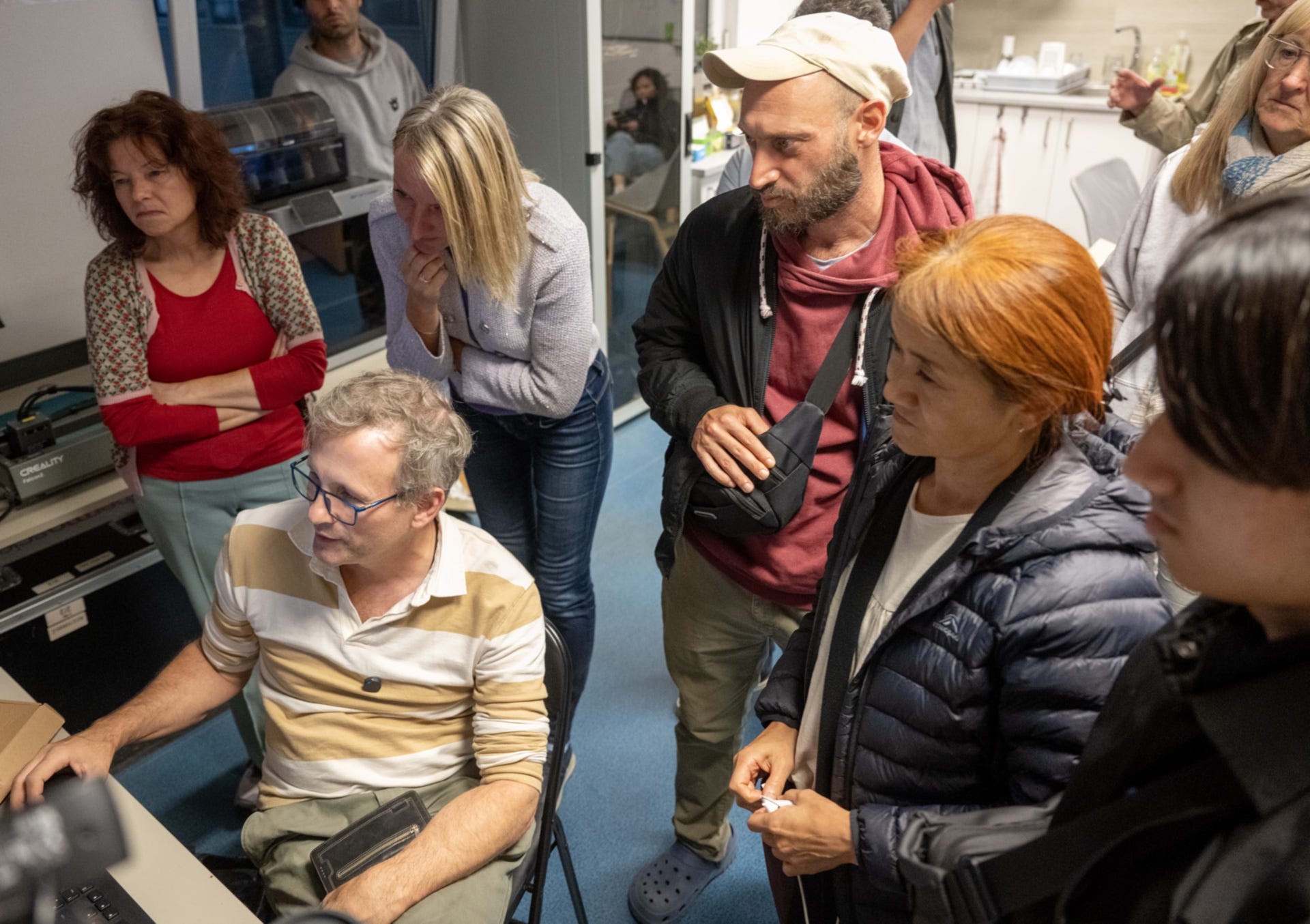
It was a great pleasure to work with Paul Harris on this replication, ever resourceful and thinking ahead and his delightful wife Callie.
I want to thank Anamet, Prague for supplying the SEM/EDX. To Jan Rak and all the team at Ellia foundation - especially Denisa, for allowing us to work in their space and all their teams support.
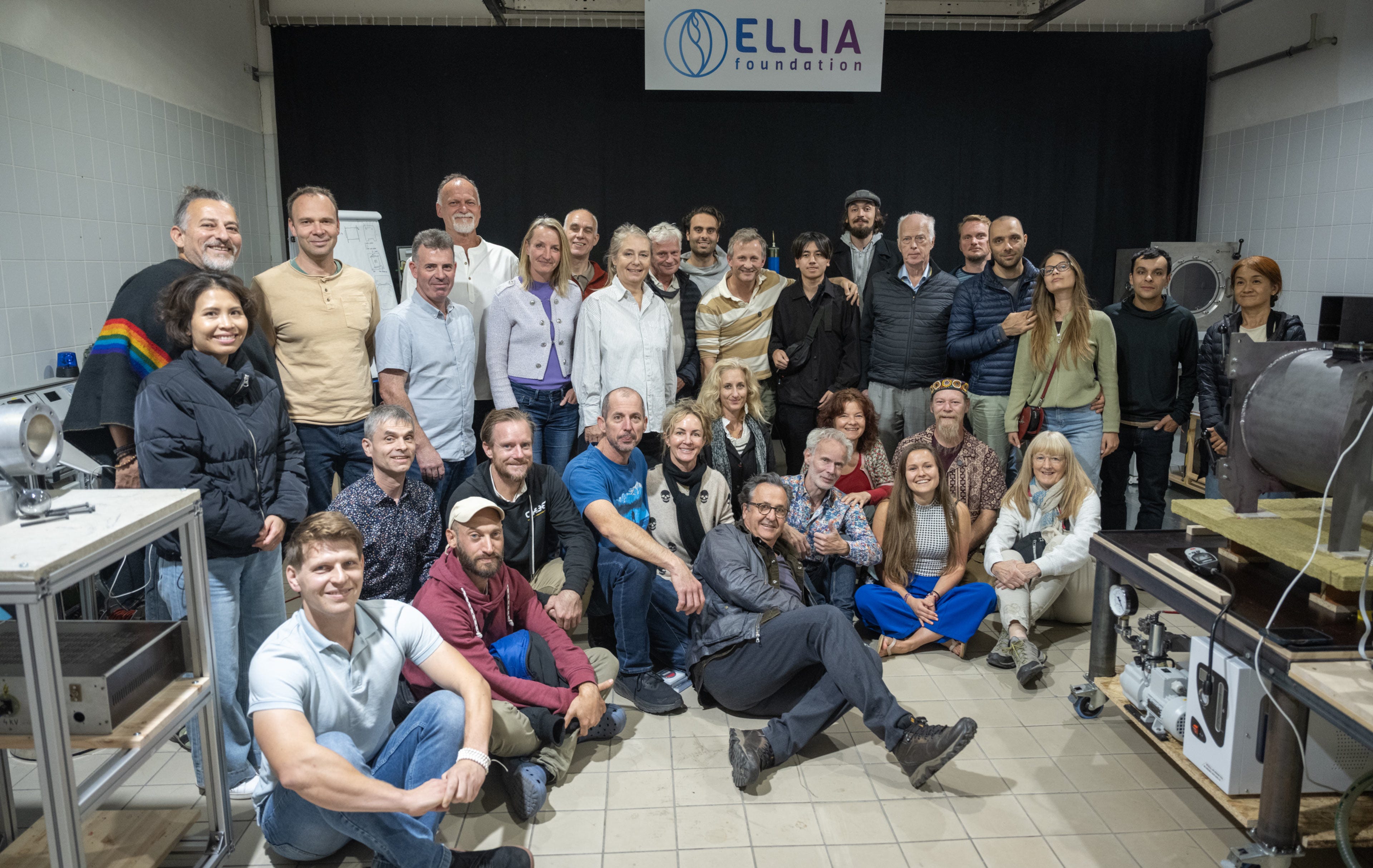
I want to also say a special thank you to all those that came to the Alchemy of Prague / Advanced Energy Systems 2025, expertly organised by Roger Green and his long time assistant Eva. The days were an utterly unique experience. To see a little more of what went on and a few testimonials check the following video out!
It would be such a treat if these results were included in the updated version of the Matsumoto book.... ;)
Fascinating and great job. So we're talking about microsecond charge neutral structures that then regain their charge and become ordinary matter again, like Shoulder's discussed?